Protests, violence, curfews: From France to Albania, why Europe'...
/ 2026-10-20 23:47:20Focus


By Maurizio Perriello – Tgcom24
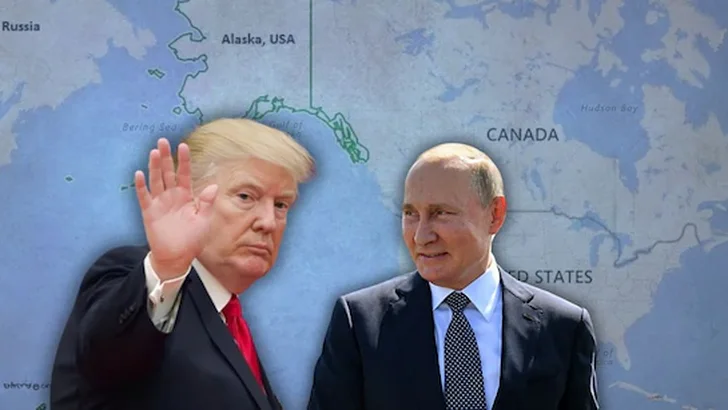
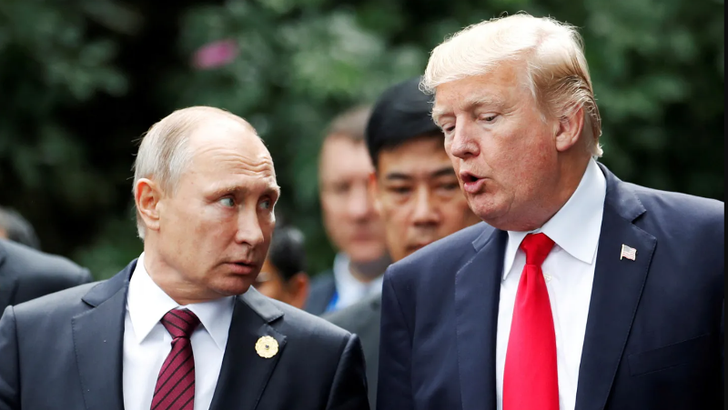
In Alaska, the only thing that won't be seriously discussed is peace in Ukraine. A lasting peace, at least. Donald Trump and Vladimir Putin pushed for the mid-August meeting for very different reasons.
The American president has wanted to open up to Russia since his first term, has economic ambitions somewhat at odds with the imperial trajectory of the United States, and above all is eager to enhance his reputation as a “world peacemaker.” This is to the delight of those who, out of respect, clamor to nominate him for the Nobel Peace Prize.
Bragging aside, the tycoon also knows full well that the meeting will be merely the last waltz in a long dance. Indeed, he has spoken of a “25% chance that the meeting will fail” and has opened the door to a trilateral summit with Volodymyr Zelensky to try to make further progress.
On the other side of the table, Putin has long been aware of America's desire to freeze the conflict. And he is trying to exploit this, taking advantage of the more accommodating approach of the Trump administration, which has decided to negotiate with the Kremlin. For this reason, the Russians intend to use this unique opportunity to increase their demands and turn any agreement into a victory to brag about at home.
However, Russia's shadow over peace extends beyond foreign policy and extends to internal wars within the Federation's elite. This is a core issue that Putin cannot ignore, as it has become more acute since May.
Three reasons why Russia doesn't need rare earth metals from the US
Let's start with an "unmasking", as the Anglo-Saxons say. That is, by debunking the propaganda of the two leaders. According to British media outlets such as "The Telegraph", Trump's plan to convince Putin to accept a ceasefire is to offer Russia rare metals from Alaska. Nothing could be stranger, for several reasons.
First, Moscow does not need any mineral resources, whether natural or energy. Indeed, it sells grain and hydrocarbons in large quantities and at low cost to its collaborator China, which, among other things, has abundant supplies of rare metals.
Second, the US is hungry for rare metals to maintain its technological competitiveness with Beijing.
Third, the United States and Russia want to prepare for the upcoming competition for dominance of the Arctic, where increasingly rapid ice melt will open up new trade routes and geopolitical challenges in the coming decades.
The real obstacles to peace in Ukraine
Let's get one thing straight, or at least try to. Putin has repeatedly stated that he wants absolute guarantees that Ukraine will be demilitarized and will not join NATO. But this is mostly propaganda. Beyond the words, NATO already has a large presence in Ukraine with officials and technicians and has no intention of leaving.
This is the first real obstacle to reaching an agreement between Moscow and Washington. The fact that the Americans will not agree to leave Ukraine was also confirmed by the signing of the agreement with Ukraine on rare metals, which will be decisive.
The signing of this agreement before the Trump-Putin meeting has revealed the cards. Another obstacle has to do with territorial claims. The Russians want a piece of Ukraine and Kiev obviously does not want to give up even an inch.
However, even in this case, the real issue goes beyond the material occupation, because the Kremlin already effectively controlled that part (Donbas) which, after 3 and a half years of war, it has not even managed to occupy in its entirety. In short, Moscow has not won on the ground.
Putin wants to turn the deal into a victory
How, then, can Putin boast of a victory before a population historically prepared to overthrow the regime in the event of humiliation abroad? Militarily, he cannot, and strategically, neither because he is surrendering to China.
The only option at this time is to dictate the terms at the meeting with Trump, demonstrating that Russia is not afraid, but strong. And it does not really matter if the US goal is to lure Moscow and tear it away from Beijing. But this is a fragile framework, from which Moscow cannot escape even if it seems possible. Therefore, the war will continue, with varying intensity, regardless of the outcome of the Alaska summit.
The Russian system is more of a circle than a pyramid
The political system of post-Soviet Russia has inevitably shaped itself around Vladimir Putin, who in this sense is more like the center of a circle than the top of a power pyramid. A kind of arbiter, rather than a tsar, he is the crucial element that ensures the balance between the country's various leaderships.
He has told state apparatuses not to interfere in the oligarchs’ business dealings (even dirty ones). He has told the oligarchs not to interfere in political affairs. However, these two groups are deeply divided internally and have created different factions, severely testing Putin’s leadership.
The internal struggle within the Russian elite
As Western sanctions cripple (but do not sink) the Russian economy and Ukraine's defensive trenches continue to hold, the Federation's ruling factions are calculating and maneuvering to thrive in such an uncertain future.
Qëllimi i tyre është i dyfishtë: të mbrojnë fitimet dhe privilegjet e fituara pas shpërthimit të luftës dhe të zhvendosin përgjegjësinë për kostot në rritje, njerëzore dhe financiare mbi supet e Putinit. Presidenti rus, nga ana e tij, ka frikë se përçarja dhe ankthi i elitës për të ardhmen e vendit mund të minojnë kohezionin e regjimit.
Për t’iu kundërvënë këtij trendi, Kremlini ka futur mekanizma ligjorë të paprecedentë për rishpërndarjen e pasurisë nën maskën e sigurisë kombëtare, duke e “kapur” atë nga të dyshuarit për edhe mosbesnikërinë më të vogël ose lidhje me Perëndimin dhe duke e “rishpërndarë” atë tek individë më pak kompetentë që janë mbështetës të Putinit.
Kjo i vendos grupet e pushtetit në të ashtuquajturën “dilema e të burgosurit në stilin rus”, në të cilën strategjia më e sigurt është të shfaqin besnikëri të ekzagjeruar, duke dobësuar në heshtje rivalët.
A do të shpërthejë së shpejti një gjueti shtrigash në Rusi?
Putini është përpjekur ta bëjë luftën në Ukrainë xhevahirin e kurorës së çerek shekullit të tij në pushtet. Pas tre vitesh luftimesh, ai nuk mund të rrezikojë më sistemin politik që ka garantuar, duke mos e mbrojtur atë nga pasojat e këtij rreziku.
Brenda klasës sunduese ruse, është sekret publik se konflikti ka marrë një kosto të tmerrshme. Edhe pse qeveria ruse nuk publikon më shifra të viktimave, vlerësimet e pavarura nga BBC dhe Mediazona sugjerojnë se të paktën 165 000 ushtarë rusë janë vrarë që nga korriku 2025.
Platforma e inteligjencës me burim të hapur Oryx ka dokumentuar humbjen e mbi 22 000 automjeteve dhe pajisjeve ushtarake ruse, si dhe miliarda dëme të shkaktuara nga sulmet me dronë ukrainas dhe sanksionet perëndimore. Dikush, në fund të fundit, do të duhet të marrë përgjegjësi politike për të gjitha këto. Në një sistem demokratik, Putini do të ishte objektivi i dukshëm. Por në Rusi, sistemi është projektuar për ta mbrojtur atë si udhëheqës dhe arbitër.
Përpjekja e tij për mbijetesë politike (dhe ndoshta fizike) përputhet me interesin historik të elitave për ta ruajtur atë pikërisht si një ndërmjetës qendror midis fraksioneve konkurruese. Megjithatë, lufta e ka transformuar atë ndërmjetës në një kërcënim për shumë prej atyre që dikur besonin në udhëheqjen e tij.
Si do të donte SHBA-ja të përfitonte nga përçarjet ruse
Nga perspektiva e Shteteve të Bashkuara, sfida është të sigurohet që këto dinamika të mos bëhen pengesë për përfundimin e luftës midis Rusisë dhe Ukrainës. Për ta arritur këtë, zyrtarët amerikanë duhet të vazhdojnë të ngrenë shqetësime midis qeverisë ruse dhe udhëheqësve industrialë në lidhje me kostot e luftës dhe potencialin për paqe.
American decision-makers should signal that the attribution of responsibility for the invasion will be focused, rather than collective or indiscriminate. That is, regardless of how the war ends, Washington will continue to sanction its architects, while offering amnesty to power groups that have distanced themselves from the war effort. Putin, shielded from the political and personal costs of the war, is unlikely ever to be removed from office by international pressure. But Russian elites are more pragmatic about the future of relations with the West.
Therefore, the American approach would not cause a mass defection from the elites, but would strengthen the incentives for low-level government officials and corporate executives to protect their positions and “quietly” disengage from a war that they consider increasingly unwinnable.