Berisha: Altin "Troplini" Dumani amnestied electoral crimes, SKA...
/ 2026-10-19 11:44:20Focus


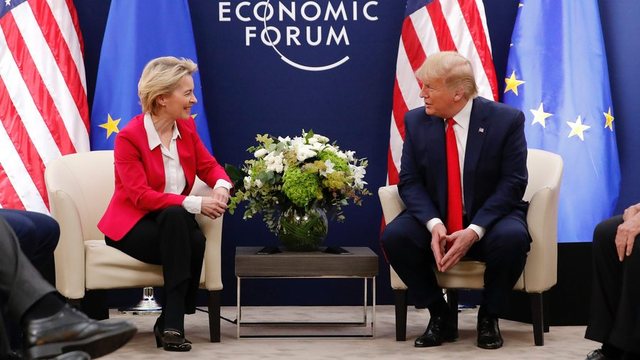
In a move that significantly escalates the international trade war, US President Donald Trump announced on Saturday the imposition of 30% tariffs on all imports from the European Union and Mexico, starting August 1.
The decision was announced through letters posted on the Truth Social platform, marking the failure of several days of negotiations with two of the United States' most important trading partners.
The new wave of tariffs comes just days after Trump imposed a series of additional measures against other countries, including Japan, South Korea, Canada and Brazil, as well as a very high 50% tariff on imported copper.
The decision on tariffs against the EU is considered particularly critical, given that the Union is the US's largest trading and investment partner. Brussels was politically and diplomatically invested in concluding a broader trade agreement that would provide for the reciprocal elimination of tariffs on industrial products, but months of difficult and often deadlocked negotiations with Washington have not borne fruit.
The European Commission has not yet officially commented on the new tariffs, but according to diplomatic sources, countermeasures and addressing the World Trade Organization are being considered.
For his part, Trump is said to be determined to keep up the pressure until his trading partners accept what he calls "fair trade terms."
The imposition of 30% tariffs is expected to significantly affect European exports to the US in sectors such as automobiles, machinery, pharmaceuticals and agricultural goods. For Germany and especially for large multinational companies, this burden poses a serious threat to the sustainability of a large part of their export activities.
The European Union's aim to defend its trade interests against Washington's proposals was made clear by Ursula von der Leyen, in response to the letter from US President Donald Trump, who announced the imposition of 30% tariffs on European exports.
"Imposing 30% tariffs on EU exports would disrupt key transatlantic supply chains, to the detriment of businesses, consumers and patients on both sides of the Atlantic ," she said.
The EU, she stressed, remains strongly committed to dialogue and negotiations with the US.
"Few economies in the world reach the level of openness and respect for fair trade practices of the European Union," von der Leyen noted, underlining that Brussels will seek an agreement by August 1.
However, the Commission President left open the possibility of taking countermeasures, if necessary.
"We will take all necessary measures to protect the EU's interests, including adopting proportionate countermeasures, if necessary ," she said.
Meanwhile, as he made clear, the EU will continue to strengthen its trade relations with international partners: "We continue to deepen our global partnerships, firmly based on the principles of rules-based international trade."