How Belinda Balluku is fabricating the rumor about Top Channel's...
/ 2026-10-19 16:19:00Focus


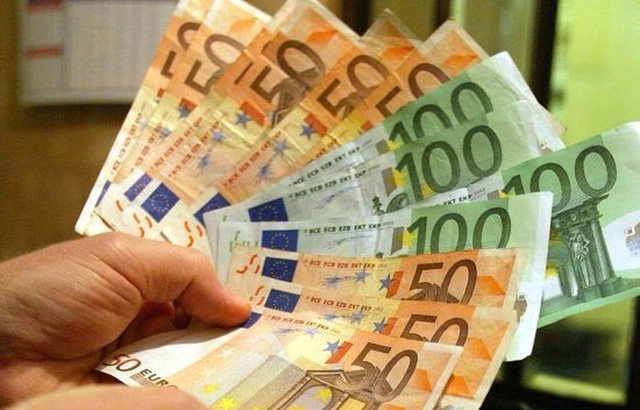
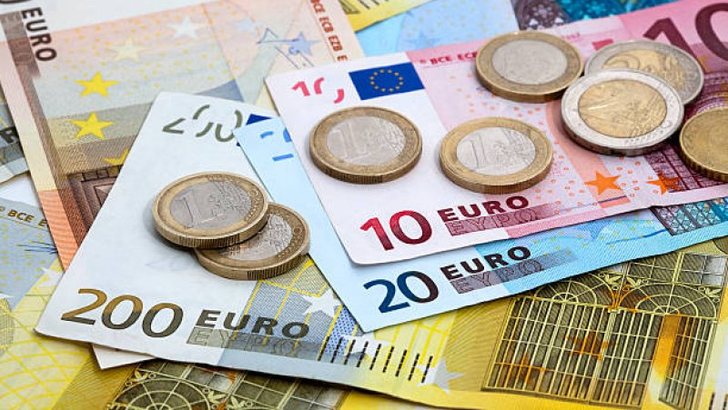
The euro continued to strengthen in its exchange rate with the lek on Wednesday.
According to the official exchange rate of the Bank of Albania, the European currency was exchanged today for 99.71 lekë, an increase of almost 1 lek compared to Tuesday.
This is the highest level of the euro-lek exchange rate since the beginning of September last year.
According to foreign exchange market agents, the increase in the euro exchange rate was due to high purchase demands from several specific banks in the sector.
In general, foreign exchange purchases are made to meet the needs of customers, but in special cases banks may purchase on their own behalf, such as to close open foreign exchange positions beyond permitted regulatory levels, or even in function of their direct needs.
For example, in March last year, the distribution of a large dividend by a bank led to a strong and short-term increase in the euro-lek exchange rate.
As has happened periodically in recent years, the increase in demand for euros immediately brings a strong increase in the exchange rate of the European currency.
This can be explained by the small size of the foreign exchange market in the country, which in these cases seems to be affected by a kind of panic.
However, in the past, these increases in the euro exchange rate have had a short-term trajectory and the market has calmed down over a time horizon of a few days.
The lek has continuously strengthened in exchange rate with the euro in recent years.
This appreciation, according to the Bank of Albania, is due to the improvement in the balance of payments, in particular the increase in foreign exchange inflows from tourism and high levels of foreign direct investment, especially in real estate.
On the other hand, the strengthening of the lek has received additional support from the austerity fiscal policy pursued by the Albanian government, with a budget balance that has been in surplus for most of the last three years.
The strengthening of the lek is estimated to have helped reduce inflationary pressures from abroad and has been a factor with a significant impact on the decline in inflation in the period 2023-2024.
On the other hand, the historical strengthening of the lek has negatively affected the exporting sectors of the economy, with major damage especially in tailoring activities.
A rapid increase in the Euro exchange rate could pose major risks to the economy, as the latest International Monetary Fund report highlights.
The strengthening of the euro would increase inflationary pressures and create difficulties for borrowers with loans in the European currency and income in lek./ Monitor