"Condemned" protesters?! Who trapped Rama inside the Prime Minis...
/ 2026-10-23 16:02:00Focus


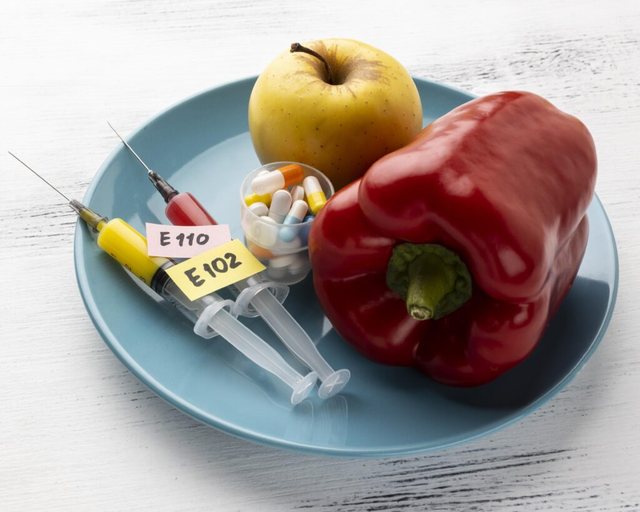
How the food safety control system works, from planted seedlings, the use of pesticides, antibiotics, and the marketing of domestic and imported food products. Obstacles encountered in the traceability of unsafe goods sold informally.
A.Ç., has been hospitalized in the Durrës regional hospital for several days due to food poisoning from salmonella bacteria. The elderly man says that the poisoning was caused after consuming home-cooked chicken, which he had bought in one of the supermarkets in the city where he lives.
Among the first symptoms to appear were vomiting and loss of consciousness. The elderly man claims that his health condition has improved, while he expects to undergo surgery.
Emergency infectious disease doctors at the "Mother Teresa" University Hospital Center told "Monitor" that cases of patients presenting to the emergency room with "bacterial gastroenteritis" (food poisoning caused by various types of bacteria) are frequent at any time of the year, especially in the summer season, where the trade of animal products and fruits and vegetables requires more attention.
Food poisoning cases, according to them, are influenced by several factors, especially food hygiene.
Doctors claim that in this period there is no increasing trend in cases of bacterial gastroenteritis from salmonella. While the number of hospitalizations with "bacterial gastroenteritis" reaches 2 to 3 patients per shift. Hospitalizations, according to doctors, are more necessary in cases when the patient also has concomitant diseases.
Among the main symptoms that bacterial gastroenteritis presents in adults are diarrhea, abdominal pain and cramps, fever and temperature above 38 degrees Celsius, headache, vomiting and nausea.
There are two official laboratories in the country that perform food product analysis, the National Food Authority (AKU) and the Food and Veterinary Safety Institute (ISUV).
According to the Ministry of Agriculture and Rural Development, in the analyses conducted in the laboratories of both institutions, most cases of non-conformity are found for food hygiene indicators compared to those of food safety.
The most frequent problems, according to experts, are encountered with fruits and vegetables. "A very small number of analyses are carried out in the AKU laboratories, more physico-chemical than microbiological. Therefore, the entire burden falls on ISUV, which is the reference laboratory.
"The analyses show that fruits and vegetables are the most problematic," says Granit Sokolaj, director of the "Alert" center, which specializes in informing and raising consumer awareness on food safety issues.
The AKU and ISUV analyze samples taken during official controls. Currently, ISUV has over 1,900 tests accredited according to the European Union. Meanwhile, not only ISUV but also AKU laboratories have participated in international proficiency tests.
The Minister of Agriculture and Rural Development, Anila Denaj, in the "Monitor Business Plus" podcast, affirmed that the implementation of protocols for monitoring and controlling the food safety chain in the country, drafted in accordance with European Union legislation, best guarantee the safe trading of products.
Ms. Denaj emphasized that increasing the number of ISUV-accredited analyses to over 1,900 from 6 in 2013 is one of the main investments in equipment logistics and human resources to strengthen food safety control.
"There is no lack of laws, regulations, or accredited analyses, but there is often a lack of absolute strict adherence to protocols by everyone, including farmers, businesses, and employees."
This creates some cracks that endanger the consumer's life, like the ones you have heard recently, and have happened before, but the responsible institutions have taken immediate measures.
"Whether it is the staff of the responsible institutions, the farmers or the businesses that risk not following the protocols, everyone together must understand that their violation is not a momentary violation of the rules, but issues that endanger food safety. The protocols in force today catch you, even if it is a day late, and bring you to justice."
How the food safety control system works from planted seedlings to marketing
Food safety in the country, according to the Ministry of Agriculture and Rural Development, is monitored and controlled by the National Veterinary and Plant Protection Authority (AKVMB) and the National Food Authority (AKU).
AKVMB is responsible for agricultural and livestock production on farms, with controls ranging from planted seedlings to the use of pesticides and antibiotics. AKU is responsible for the safety of all food products on the market.
"Tracing of animal products and fruits and vegetables requires the registration of agricultural and livestock farms, as well as the activities carried out on these farms. Livestock farms and the animals bred on them are registered in the RUDA electronic registry, which is constantly updated.
The registration of professional operators who carry out activities related to plants (planting, production, placing on the market) began in June 2024. Farmers are obliged to complete the register of use of Plant Protection Products (PPP) on the farm, the control of maintaining the register of use of PPPs on the farm is carried out by the AKVMP.
AKVMB inspectors conduct inspections on agricultural farms to verify that their products are free from diseases and pests, the use of pesticides, and provide the product with a phytosanitary certificate.
"Food business operators at collection points are required to register with the National Business Center and are subject to control by AKU food inspectors," the Ministry of Agriculture explained to Monitor.
Both institutions carry out controls throughout the country based on a national plan, built on the risk posed by food products and those of animal origin.
"Within the framework of controls on pesticide residues, microbiological contamination in fruits and vegetables, the NFA carries out controls based on the National Plan for risk-based official controls and sampling for food, animal feed, plant protection and agricultural inputs, as well as the sampling plan for BIPs.", which is approved by the Minister.
In this context, the NFA cooperates closely with the AKVMB not only to monitor the traceability of products, but also to raise awareness among farmers about the importance of keeping records on their farm, completing the register of the use of PPPs on the farm, and preserving products from microbiological contamination.
In 2023, the NFA drafted a national plan for risk-based official controls, through a new methodology with the assistance of the IPA II "Food Safety Project", where the assessment of business operators is done through risk profiling according to a scoring system.
The control of the implementation of food safety legislation is carried out through official controls, monitoring and verification of compliance with legal requirements by food business operators, as well as the taking and analysis of samples based on risk assessment and determined frequency.
The protocols used when carrying out these activities by the NFA are the same as those used by the authorities of EU countries.
"For the performance of official controls and the functioning of the official control system, competent authorities are regularly audited by the European Commission services," the Ministry of Agriculture claims.
What are the obstacles to not catching problem cases?
But experts insist on strengthening traceability, that is, the chain that follows the product from the economic operator that produces it to the consumer. For the director of the "Alert" center, Granit Sokolaj, in this regard, the trade of food products without labels remains a concern.
"The traceability system for products that are labeled and sold legally is secure. So, the NFA and the entities themselves, in all cases of problems, can track the product and remove it from the market in cases of alerts."
The constant concern, especially with fruit and vegetable products, honey from small farmers, or eggs with antibiotics from these farms, is traceability, as in many cases there is no fiscal data or other documents to trace the problem back to its origin.
Problematike mbeten disa raste, siç e përmenda dhe më lart, produktet nga ferma të vogla si mjalti, vezët e fermave të vogla (kjo nuk duhet ngatërruar me prodhuesit e mëdhenj, me etiketë), vaji i ullirit, pasi mblidhet nga dhjetëra fermerë kokërr e më pas bëhet vaj në një fabrikë, pasi përzihen etj. Kjo ka nxjerrë në pah problematika në lidhje me gjurmueshmërinë.
Pra, pengesa reale në moskapjen e rasteve me probleme apo mospenalizimin e abuzuesve është tregtia e paformalizuar siç duhet.
Megjithatë, edhe shkëputja e zinxhirit, një pjesë të përgjegjësisë AKU, një pjesë AKVMB dhe në rastin e analizave pozitive nga ISUV, komunikimi me shkresa etj., bën që produkti të jetë shitur derisa të kryhet ndërhyrja”, tha zoti Sokolaj.
Problem mbetet edhe informimi i konsumatorit për rastet e produkteve të gjendura në shkelje të normave.
“Fatkeqësisht, komunikimi i riskut për konsumatorët mbetet në nivel shumë të dobët, veçanërisht për rastet e kontrolleve mbi bazë risku, sipas planit vjetor të AKU, për të cilat konsumatorët nuk informohen.
Edhe nëse merren masa për heqjen nga tregu të atyre produkteve, konsumatorët duhet të kenë informacionin e duhur që të mos blejnë X apo Y produkte/lote etj., deri në heqjen nga tregu, apo edhe nëse i kanë blerë, të mos i konsumojnë”, nënvizon zoti Sokolaj.
Sistemi i gjurmueshmërisë mbahet nga operatori i biznesit ushqimor sipas Ministrisë së Bujqësisë. Operatorët e Biznesit Ushqimor (OBU) kanë detyrimin për krijimin e një sistemi gjurmueshmërie për mbajtjen e të dhënave, për të mundësuar identifikimin e çdo personi fizik apo juridik, nga janë furnizuar apo kanë furnizuar.
“Këto të dhëna të mbajtura nga operatori i biznesit ushqimor shërbejnë për të identifikuar se në cilën hallkë të zinxhirit ushqimor ka ndodhur jo-konformiteti.
Sa më mirë të mbahen këto të dhëna nga operatori i biznesit dhe të vihen të plota dhe në kohë në dispozicion të AKU, pengesat në menaxhimin e rasteve jo-konform minimizohen”, pohon Ministria e Bujqësisë.
Ushqimi i nxjerrë në treg ose që mund të nxirret në treg etiketohet për të siguruar gjurmueshmërinë. AKU si institucioni përgjegjës për kontrollin zyrtar të ushqimit dhe ushqimit për kafshë luan një rol të rëndësishëm në sistemin e gjurmueshmërisë në vend.
“AKU kryen inspektime të rregullta në OBU dhe tregjet për të siguruar përputhshmërinë me standardet e sigurisë ushqimore.
Kjo përfshin kontrollin e dokumentacionit të gjurmueshmërisë, për të siguruar që çdo produkt mund të gjurmohet nga origjina e deri te konsumatori. AKU, në kuadër të menaxhimit të rrezikut, ndërmerr masa të menjëhershme për të bllokuar dhe për të tërhequr këto produkte nga tregu”, nënvizon më tej Ministria e Bujqësisë.
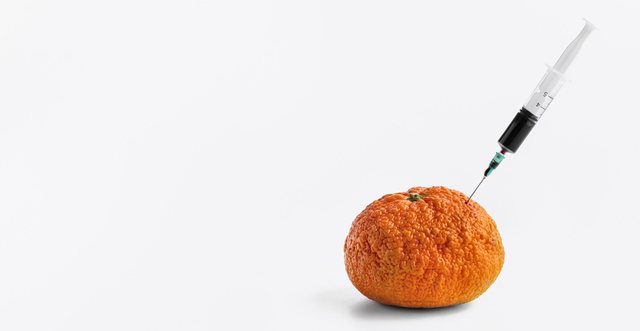
Përdorimi i pesticideve të ndaluara të fruta-perimet
Në 5 vite, përkatësisht në periudhën 2019 deri në prill 2025, sistemi RASFF i BE-së për kontrollin e sigurisë ushqimore (Sistemi i Paralajmërimit të Shpejtë për Ushqimin dhe Ushqimin) ka dhënë 69 raste alarmi për eksportet shqiptare.
Për produktet e eksportit që kanë rezultuar me probleme, janë fruta-perimet, bimët mjekësore dhe produktet e peshkut.
Konkretisht për Shqipërinë nga 69 raste në total të dhënies së alarmit të identifikuara në sistem, rezulton se 26 janë klasifikuar si “serioze”; 9 raste “potencialisht serioze”; 13 me “potencial risku”; 4 prej tyre “ pa risk”; 8 raste “pa vendim” dhe 9 prej tyre “pa risk”.
19 raste të kategorizuara me alarm “serioz”, “potencial risku” dhe “potencialisht serioze” janë për eksportin e fruta-perimeve. 9 prej tyre për bimë mjekësore, erëza dhe 6 prej tyre janë për kategorinë e produkteve të eksportit “peshk dhe produktet e peshkut”, për prani të histaminës mbi kufijtë në vajin e açuges apo për kontroll të dobët të temp të peshkut të ngrirë.
Për Ministrinë e Bujqësisë dhe Zhvillimit Rural, raportimi i rasteve me mbetje pesticidesh në eksport nga sistemi rapid i BE-së vlerësohen të ulëta krahasuar me sasinë e eksporteve.
“Për vitin 2024 janë vetëm 4 ngarkesa të raportuara me mbetje pesticidesh me origjinë nga Shqipëria për 947 ngarkesa të eksportuara. Ndërkohë, për 3-mujorin e parë të vitit 2025, në 354 ngarkesa të eksportuara vetëm një ngarkesë ka rezultuar me mbetje pesticidesh“.
Përdorimi i pesticideve mbi normë është shqetësues për ekspertët, jo vetëm për produktet e eksportit, por edhe për ato që shiten në tregun e brendshëm.
Granit Sokolaj nga qendra “Alert” thotë se shtimi i rasteve të fermerëve që përdorin pesticide mbi normën e lejuar ndikohet nga informaliteti. Problem është edhe mungesa e frekuencës së shpeshtë të kontrolleve te farmacitë veterinare.
“Autoriteti Kombëtar i Veterinarisë dhe Mbrojtjes së Bimëve (AKVMB) përpiqet të kontrollojë, aq kapacitete njerëzore sa ka, por problem mbetet Shërbimi i Ekstensionit (këshillimit), mbajtja e regjistrit të fermës nga fermerët, apo fakti që edhe kur e mbajnë, nuk reflektojnë në të protokollet siç i kanë ndjekur vërtet.
E sigurisht nuk shkruajnë tek to PMB-të e ndaluara që mund të kenë përdorur.
Kontrolli i farmacive bujqësore mbetet ende një problem shqetësues, për faktin se janë ato që mund të tregtojnë edhe PMB të ndaluara, apo vazhdojnë t’u shesin fermerëve pesticide pa një rekomandim/recetë agronomi. E njëjta gjë dhe për farmacitë veterinare”.
Sipas tij, numri i rasteve të procedimit të fermerëve që përdorin pesticide të ndaluara është i ulët krahasuar me rastet problematike.
“AKVMB deri para një apo dy muajsh nuk ka pasur të drejtën ligjore të inspektimit. Së fundmi kanë nisur dhe penalitetet nga ana e saj në ferma, kur është vënë re moszbatimi i protokolleve. AKU nuk e penalizon dot fermerin, por këtë e kryen nëpërmjet AVKMB“.
Nga ana tjetër, në vitin 2024, Shqipëria ka notifikuar 3 raste me mbetje pesticidesh për produktet e importuara nga vende të BE-së në Shqipëri dhe 8 raste për 3-mujorin e parë të vitit 2025.
Në lidhje me importet drejt Shqipërisë, rastet më të shpeshta janë ato me mbetje pesticidesh për ngarkesa të ardhura kryesisht nga Greqia dhe Italia.
"These are cases identified by the AKU during official controls and referred to RASFF. Other cases are isolated and are not repeated cases that pose a problem for imports and management of these cases," said the Ministry of Agriculture.
How is pesticide use controlled?
From 2022, farmers are required to keep a record of the use of plant protection products, or as they are otherwise called, pesticides.
In addition to the obligation to maintain the register, they are trained and oriented with the relevant calendars for the timing of pesticide use, but also with the establishment of veterinary pharmacies licensed for the marketing of PBMs.
For the Minister of Agriculture and Rural Development, Anila Denaj, the measures taken and the policies implemented to protect domestic production make room for non-conforming cases impossible.
"Today, the farmer has no reason to use banned pesticides. The list of pesticides in 2022 has removed some of those that were previously allowed to be used. We are in 2025."
Why should a farmer use them even though we train them not only on the type of pesticide use, but also on the withdrawal calendar (time of use). In March alone, 3,000 farmers were trained on the type of pesticides they should use.
They have even been asked not to buy them from the responsible state authorities, but to buy them at agricultural pharmacy outlets that are required to sell pesticides.
"Farmers who violate the rules are very few, compared to thousands of others who implement them. Why should a protocol rejected by some damage the image of Albania? The issue should not be relativized, but the number of farmers and businesses who are aware is growing very rapidly," Ms. Denaj emphasized, among other things.
The future vision for food security….
Albania is on the path of European integration and legislation in the field of food safety has been prepared by approximating the EU acquis in this field and is in a continuous process of preparation and updating based on the updates that EU legislation undergoes.
The legislation is prepared based on the National European Integration Plan for a three-year period and is reviewed annually.
Also, the implementation of the legislation preparation plan is regularly reported to the European Commission services.
Food safety legislation itself includes a set of production and service standards that are constantly increasing to guarantee a high level of food safety for the consumer.
In this context, according to the Ministry of Agriculture, investments and human resources in this field still remain necessary./ Monitor