


"Condemned" protesters?! Who trapped Rama inside the Prime Minis...
/ 2026-10-23 16:02:00Focus


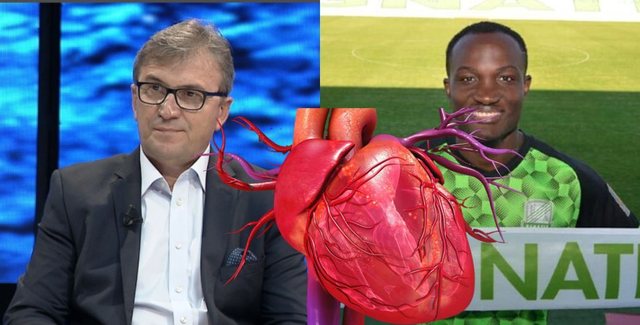
The well-known doctor Skender Brataj says that the death of Egnatia footballer Raphael Dwamena was forewarned and that it could have been avoided. By means of a post on social networks, the head of the Emergency explained in detail what "hypertrophic cardiomyopathy" is, with which the Ghanaian footballer also suffered.
"Enlargement of the heart walls is an inherited heart disease. This form of cardiomyopathy is called asymmetric; The rarest forms of cardiomyopathy, affecting approximately 2% of patients, are concentric hypertrophy, with uniform thickening of the heart in the left ventricular wall and hypertrophy with enlargement of its apex," Brataj writes.
According to Brataj, the doctors had warned Dwamena several times not to play football, while "God forgave him twice", he says.
SKENDER BRATAJ'S REACTION:
Death forewarned!
Condolences to the family for the loss of their loved one.
When the event happened in 2021 with the Danish football player Eriksen, there were many interpretations. One thing is certain: Eriksen should not play football! Raphael Dwamena was not supposed to play football! The doctors informed him several times, God forgave him twice!
What is Hypertrophic Cardiomyopathy?
It (enlargement of the heart walls) is an inherited heart disease.
This form of cardiomyopathy is called asymmetric; Rarer forms of cardiomyopathy, affecting approximately 2% of patients, are concentric hypertrophy, with uniform thickening of the heart in the left ventricular wall and hypertrophy with enlargement of its apex.
COMPLICATIONS
In most cases, when the disease is monitored, it has progressed well. Hypertrophic cardiomyopathy can present with fatigue accompanied by loss of consciousness, syncope, respiratory arrest up to cardiac arrest. In this case, immediate resuscitation is required.
diagnostic
The diagnosis of hypertrophic cardiomyopathy is established if thickening of the left ventricular wall is found, which are associated with abnormalities of the shape and/or function of the mitral valve, coronary blood circulation, and the electrical impulse conduction system of the heart.
These examinations lead to the diagnosis of the disease:
Electrocardiogram (ECG), Echocardiogram, cardiac MRI, CT scan of the heart, laboratory tests and genetic analysis.
treatment
Patients diagnosed with hypertrophic cardiomyopathy are treated with the following groups of medications:
Beta blockers, calcium channel blockers, diuretics, disopyramide.
If therapy is not sufficient and the patient continues to have symptoms, there are 2 surgical options for treating hypertrophic cardiomyopathy.
The first option consists in removing the part of the heart muscle tissue that has thickened: this operation is called a myectomy (Morrow procedure).
The second consists in the intervention of the interventricular septum.
For patients considered to be at high risk of life-threatening cardiac arrhythmias, implantation of an automatic defibrillator (ICD) is indicated, as was the case of Raphael Dwamena.
Two are the lethal arrhythmias in this case: Pulseless Ventricular Tachycardia and Ventricular Fibrillation which have happened to this player two other times on the field.
Could it have been avoided? Yes.
He shouldn't be playing!
Dr. Skender Brataj





