"We are drowning..." - From Lisbon, Milan to Tirana, "The Guardi...
/ 2026-10-18 23:13:32Focus


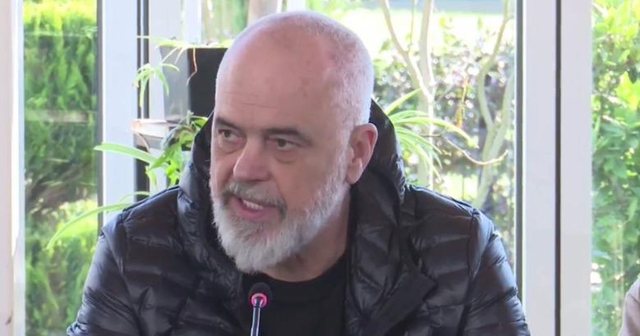
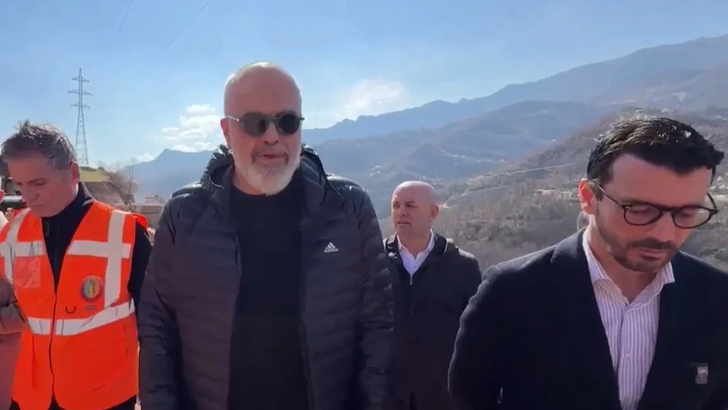
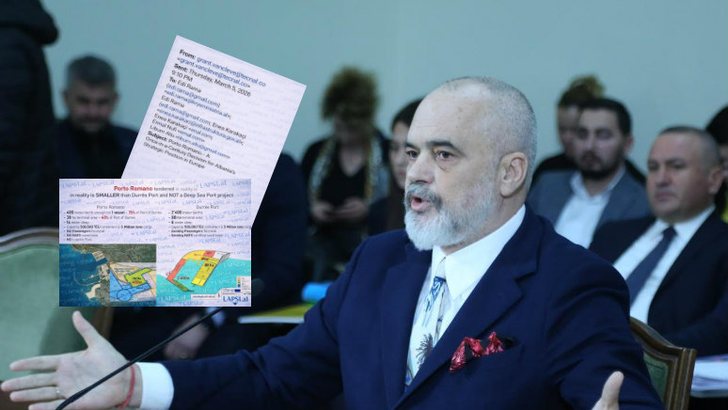
During today's meeting with the residents of Librazhd and Përrenjas, where he inspected the provisional road, Prime Minister Rama also commented on the Corridor VIII project, which he revealed has not been accepted by the EU as a European corridor.
The Prime Minister revealed that the reason for the rejection had to do with EU funds and only with persistence was it possible to understand the strategic importance. Rama said that this project is too big to be mired in the mud.
"Being an EU asset, it becomes financeable from European funds or that can be obtained from financial organizations. It was our work, our diplomacy that at the summit held in Tirana between the EU and the Western Balkans, this corridor was included in the European network," said Prime Minister Edi Rama.
He further added that the connection with the port of Durres guarantees a faster movement of goods at a lower cost.
Edi Rama's speech: Corridor VIII has long been understood and declared strategic but has not been accepted by the EU as a European corridor. The reason has been that not all EU countries wanted this corridor and there has always been a refusal on the part of the EU to include it in the European corridors because inclusion gives a corridor value as an EU asset. Being an EU asset, it becomes financeable from European funds or that can be obtained from financial organizations.
It was our work, our diplomacy that at the summit held in Tirana between the EU and the Western Balkans, this corridor was included in the European network. Of course, by doing this, not only its strategic nature was understood, but also its importance. The connection with the port of Durres guarantees another axis of the movement of goods, faster, at a lower cost. In parallel, the corridor should also be built in the countries we have joined or later, in the Republic of Macedonia and Bulgaria.
Our effort for a military wing will make it even more important and will increase its value, property and economic and social impact immensely. It is too great a task to be mired in the mud of the machinery that already produces it.