"Condemned" protesters?! Who trapped Rama inside the Prime Minis...
/ 2026-10-23 16:02:00Focus


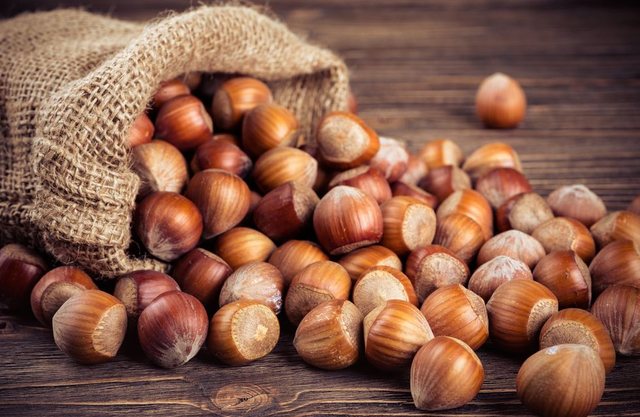
A study on liver cells conducted by the researchers of the "Enea" institute has revealed the antitumor potential of hazelnuts.
Thanks to the presence of active biomolecules capable of killing tumor cells in vitro, the extract favors the restoration of normal liver tissue growth conditions.
The discovery, published in the journal "Natural Product Research", according to the researchers, could pave the way for therapeutic and preventive developments in the fight against liver cancer.
Scientific evidence identifies the difference in the intracellular content of two small RNA molecules as one of the keys to understanding the antitumor properties of some oncology drugs.
"In the diseased tissue, the intracellular level of the two microRNAs decreases compared to the healthy counterpart, causing the proliferation of the neoplasm", explains Barbara Benassi from the Biotechnology division who conducted the study in collaboration with Maria Pierdomenico.
"Restoring the two microRNAs to normal levels is one of the potential strategies used by new drugs to reduce tumor progression. At the same time, it keeps under control their intracellular integrity, preventing their reduction during life. a potential prevention strategy towards neoplasia," adds Benassi.
The results show that traditional hazelnut extract from the Viterbo area is able to significantly stimulate the intracellular level of two microRNA molecules in liver tumor cells, inhibiting their proliferation and causing their subsequent death in vitro.
The next step will be to identify the biomolecules responsible for this cytotoxic effect against tumor cells.
Potential candidates have already been identified, i.e. some substances derived from caffeic acid and catechins, of which hazelnut extract is rich.
"Further investigations are needed to prove the potential efficacy of therapeutic adjuvants," concludes Benassi.