Protests, violence, curfews: From France to Albania, why Europe'...
/ 2026-10-20 23:47:20Focus


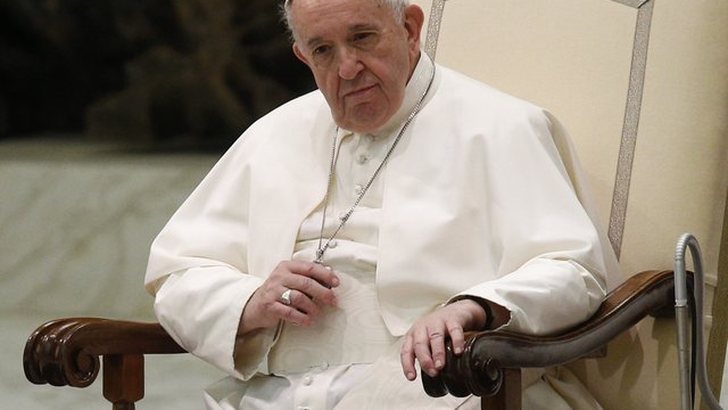
The Catholic Church entered the complicated cycle of papal succession today following the death of Francis at the age of 88, following the serious problems it had faced in recent years, which had worsened significantly since the beginning of the year.
Jorge Mario Bergoglio died at around 7:30 a.m. Monday from a stroke and heart failure — he had fallen into a coma shortly before his death. In February, he was hospitalized for more than a month with breathing problems and double pneumonia.
For years, he had serious knee problems and sometimes only got around in a wheelchair. He lived in a simple room in a hostel.
Starting Wednesday, his body will lie in state in an open casket for public viewing, and the funeral will take place over the weekend. He had long sought to keep the ceremony simpler than protocol required, while his will, which he had drawn up in 2022, requested that he be buried in a church with which he had a spiritual connection, in a simple grave in the ground, not in a crypt.
The long process of electing a new Pope will begin soon, likely to last many days. And at this stage, Francis has put his stamp on it, ordering that the elections be held among cardinals who are at most 80 years old.
What many foreign leaders, as well as ordinary people who had the opportunity to meet Francis during his 12-year papacy, noted is that he was a man with a clear ideological stigma. But will his successor follow the same path or will we see a different one?