Is this police force professional and capable of handling violen...
/ 2026-10-16 18:54:07Focus


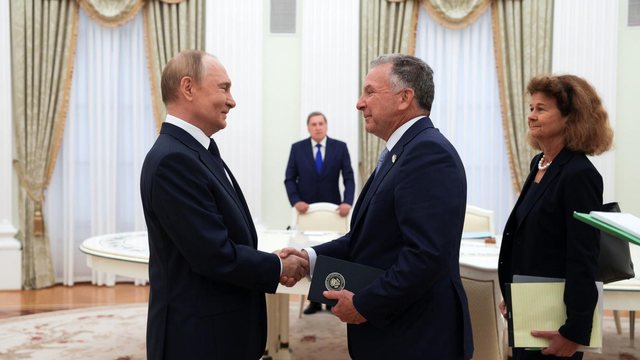
The "Witkoff-gate" scandal is becoming even more complicated, after Russian President Vladimir Putin's advisor, Yuri Ushakov, stated that the leak of the rumored conversation with American envoy Witkoff may have occurred due to the use of WhatsApp.
Ushakov admitted that he sometimes conducts work communications through the app, adding that such conversations “could have been overheard.” He noted that the Kremlin’s secure communication lines almost never suffer leaks, but in the case of WhatsApp the situation is quite different, hinting that the leak was unlikely to have come from the conversation participants themselves.
The irony lies in the fact that a Kremlin official was communicating through an app officially banned in Russia, while the use of Meta platforms by Russian officials is considered unacceptable according to Moscow's official line.
If the call did indeed take place on WhatsApp and could have been intercepted, the situation raises three possible scenarios:
The app has a backdoor – something Meta categorically denies.
Ushakov's device may be infected with spyware.
He used an insecure connection and is now avoiding responsibility by blaming the platform.
The scandal is raising major questions about the security standards of communications within the Kremlin, but also about the nature of conversations between Moscow and Trump administration emissaries.