Protests, violence, curfews: From France to Albania, why Europe'...
/ 2026-10-20 23:47:20Focus



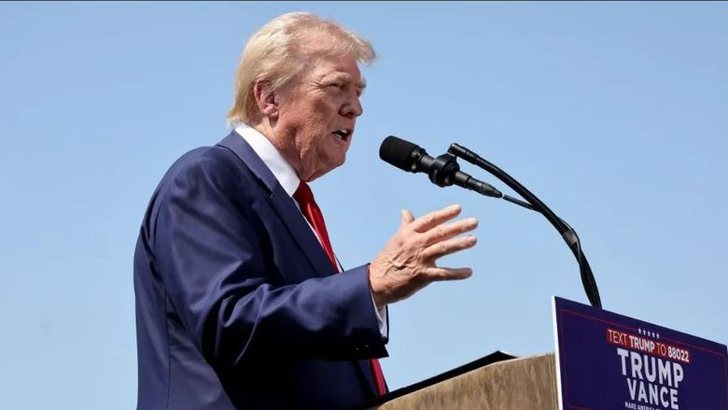
Donald Trump anchored his bid to win a second term in the White House next week on anti-immigrant fears at a rally in Madison Square Garden, doubling down on his promise of a massive deportation program on the first day to return back an "immigrant invasion".
As the former president's allies defend him against Democratic claims that he is a "fascist" and an authoritarian-in-waiting, based in part on warnings from his former chief of staff John Kelly, Trump on Sunday delivered a phrase that could predict the most extreme presidency in modern history if he defeats Democratic nominee Kamala Harris on November 5.
"The United States is an occupied country," Trump said, as Democrats projected messages on the outside of the famous New York arena reading "Trump praised Hitler."
The huge rally was billed as the launch of the final phase of Trump's bid to pull off one of the biggest comebacks in American political history after he tried to overturn the outcome of the last election and left office in disgrace in 2021. to speak, some of the former president's top supporters spewed racially charged and vulgar rhetoric. Former congressional candidate David Rem called Harris the "antichrist" and the "devil," while others attacked Hillary Clinton as "illegal" and homeless. Comedian Tony Hinchcliffe called Puerto Rico a "floating island of garbage."
The Trump campaign later retracted the line, with spokeswoman Danielle Alvarez saying in a statement to CNN, "This joke does not reflect the views of President Trump or the campaign."
Most of Trump's speech was filled with lies and exaggerations, writes CNN. It was exactly the kind of rhetoric the Harris campaign believes could sway moderate voters and disaffected Republicans to elect the vice president. But it also represents a bet by the Republican candidate that he can draw a large grassroots turnout and activate voters who don't normally cast ballots but who agree with his hardline politics.
If nothing else, it clarified the choice voters face in the coming days, as Harris promises Americans they can move on from Trump's extreme behavior that tested the rule of law and constitutional limits on presidents during his first term.
The former president's strident anti-immigrant rhetoric ranks alongside the most blatant demagoguery by a major figure in any Western country since World War II. But it was also complemented by a sharp economic argument that represented the second phase of Trump's shutdown pitch and aimed to frustrate many Americans who are struggling with high food prices despite cooling inflation.
"I'd like to start by asking a very simple question: Are you better off now than you were four years ago?" Trump asked. “I'm here today with a message of hope for all Americans: With your vote in this election, I will end inflation. I will stop the invasion of criminals coming into our country and bring back the American dream." He also said he would push for a tax credit for "family caregivers who care for a parent or loved one," after Harris unveiled her platform by proposing that Medicare cover home health care.
"If Kamala Harris takes four more years, our economy may never recover. If I win, we will quickly build the largest economy in the history of the world," he said.
The former president anchored his first presidential campaign in 2016 on inflammatory rhetoric about Mexican immigrants. Eight years later, he is suggesting that migrants are directly to blame for citizens' economic frustrations, in a conceit that has been used by far-right leaders throughout history.