"Condemned" protesters?! Who trapped Rama inside the Prime Minis...
/ 2026-10-23 16:02:00Focus


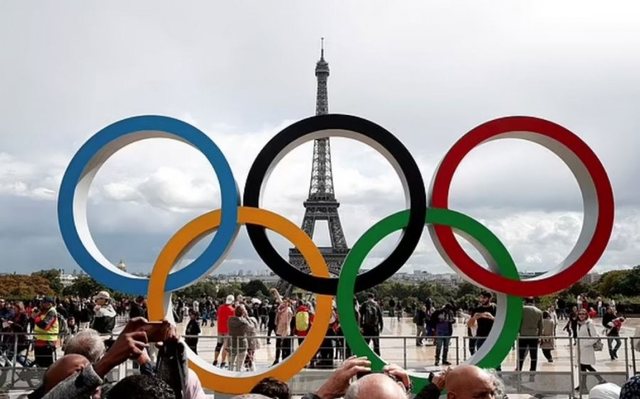
The Paris Olympics have given a boost to the eurozone economy after a surge in spending as athletes and spectators descended on the French capital for the summer sporting event. The figures showed that monthly French private sector output rose to the highest level in 17 months in August.
Millions of tourists flocked to Paris during the period, and increased activity, driven by France's services sector, bolstered growth for the entire 27-nation bloc.
The eurozone composite purchasing managers' index (PMI), conducted by Hamburg Commercial Bank and S&P Global, rose to 51.2 in August from 50.2 a month earlier, where any number above 50 signals growth.
However, experts warned that the Olympic boost masked a disappointing performance elsewhere, amid a slowdown in activity across the eurozone led by a collapse in manufacturing, particularly in Germany. In the eurozone's largest economy, the private sector shrank at the fastest pace in five months.
Hosting the Olympic Games can bring economic benefits, acting as a catalyst for the construction, tourism and events industries, as well as raising the global profile of host countries and businesses.
The UK government estimated that hosting the London 2012 Olympic and Paralympic Games generated up to £41 billion for the British economy by 2020. The International Olympic Committee estimated that the Paris Games could generate an economic benefit of $12.2 billion within the region Île-de-France, while the 2028 Los Angeles Games could provide an $18.3 billion boost in output.
However, while major sporting events can benefit some parts of the economy, they can also displace activity from other areas, making it difficult to quantify the net impact.