Berisha: Altin "Troplini" Dumani amnestied electoral crimes, SKA...
/ 2026-10-19 11:44:20Focus


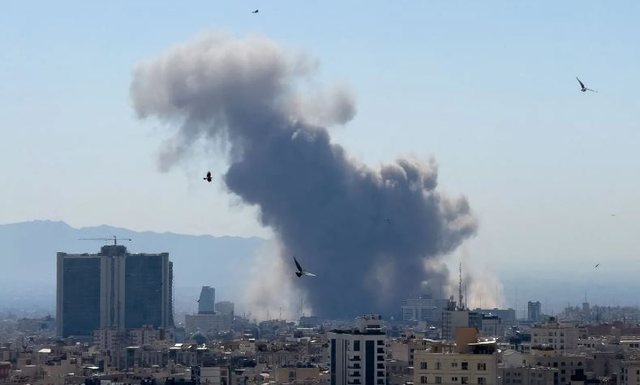
China and Pakistan have presented a joint five-point initiative to restore peace and stability in the Gulf and Middle East region, at a time when tensions have risen sharply due to the conflict involving Iran.
The statement was made in Beijing on March 31, 2026, following a meeting between Chinese Foreign Minister Wang Yi and Pakistani Deputy Prime Minister and Foreign Minister Mohammad Ishaq Dar, who reviewed the security situation in the region.
In the joint document, the two countries present five main measures to reduce tensions and achieve a long-term solution.
First, it calls for an immediate cessation of hostilities and maximum efforts to prevent further escalation of the conflict. It also demands that humanitarian aid be allowed unhindered in all areas affected by the war.
Second, China and Pakistan call for the early start of peace talks, stressing that the sovereignty, territorial integrity, independence and security of Iran and the Gulf states must be respected. According to them, dialogue and diplomacy are the only way to resolve conflicts, while the parties should commit to peaceful solutions and avoid the use or threat of force during negotiations.
Third, the document emphasizes the importance of protecting non-military targets and civilians. The two countries call on the parties to immediately cease attacks on civilians and non-military infrastructure, in full compliance with international humanitarian law. This includes protecting vital facilities such as energy, desalination plants, electricity supplies, and peaceful nuclear infrastructure.
Fourth, the importance of maritime security is emphasized, especially in the Strait of Hormuz, a key corridor for global cargo and energy transport. China and Pakistan demand the protection of ships and crews, safe and expeditious passage for civilian vessels, and the restoration of normalcy in this strategic route.
Fifth, the initiative underlines the central role of the United Nations Charter and the need to strengthen multilateralism. The two countries call for joint international efforts to achieve a comprehensive peace agreement, based on international law and UN principles.
This initiative comes at a critical moment for the region, as international actors seek ways to avoid a broader escalation of the conflict and guarantee long-term stability in the Middle East.