Protests, violence, curfews: From France to Albania, why Europe'...
/ 2026-10-20 23:47:20Focus


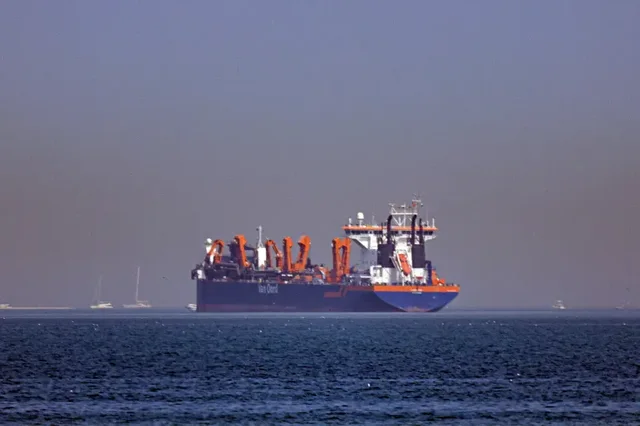
Iran's Revolutionary Guard has declared that it has taken full control of the Strait of Hormuz, one of the world's most vital corridors for the transport of oil and natural gas, warning that ships passing through this waterway are at risk of being hit by missiles or "lost" drones.
According to Agence France-Presse, Revolutionary Guard Navy official Mohammad Akbarzadeh told the semi-official Fars News Agency that "currently, the Strait of Hormuz is under the full control of the Islamic Republic Navy."
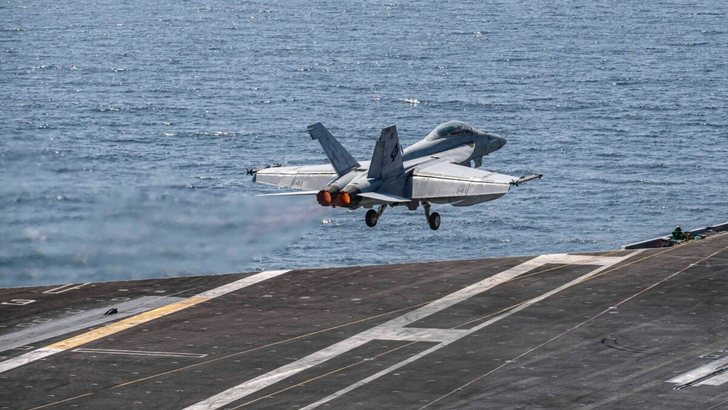
However, the claim was denied by the US side. Admiral Brad Cooper of the United States Central Command stated that the US is “sinking the entire Iranian navy” and that 17 Iranian ships have been destroyed so far. “For decades, the Iranian regime has harassed international shipping. Today, there are no Iranian ships at sea in the Arabian Gulf, the Strait of Hormuz or the Gulf of Oman,” he said.
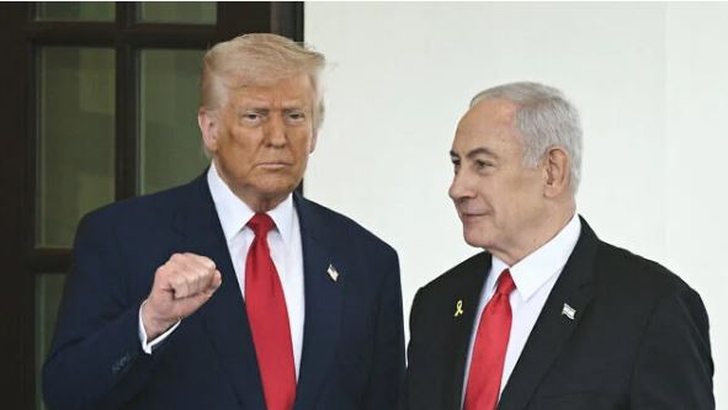
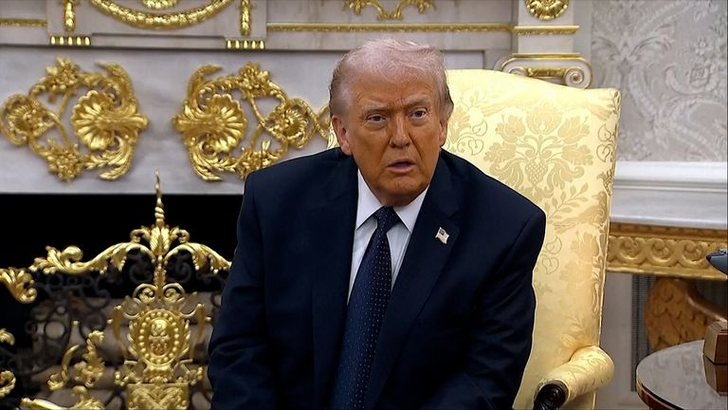
Meanwhile, US President Donald Trump said the US Navy could begin escorting oil tankers through the Strait of Hormuz if deemed necessary. This would be one of the most aggressive steps the US administration has taken to curb the rise in energy prices caused by the war.
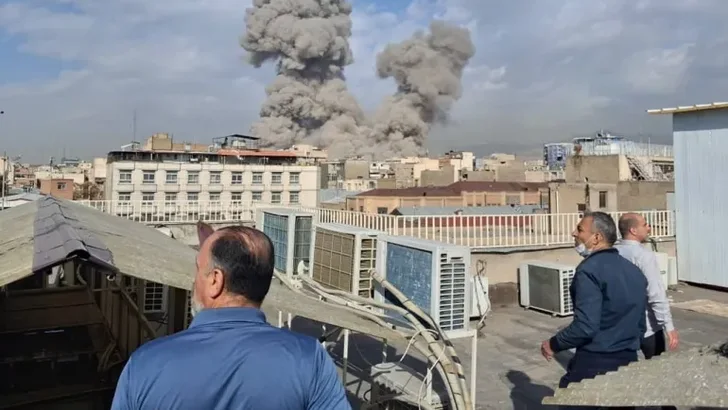
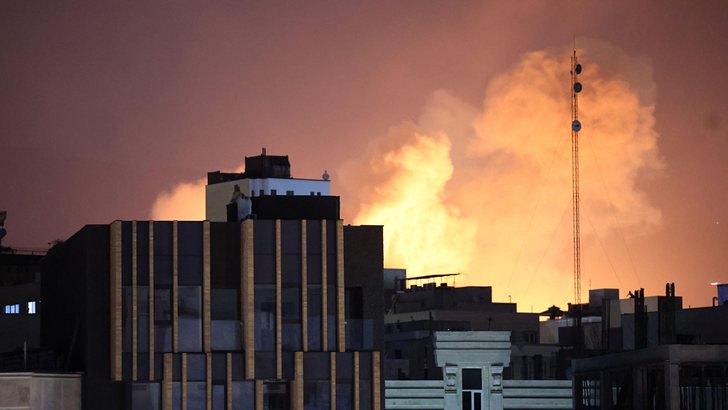
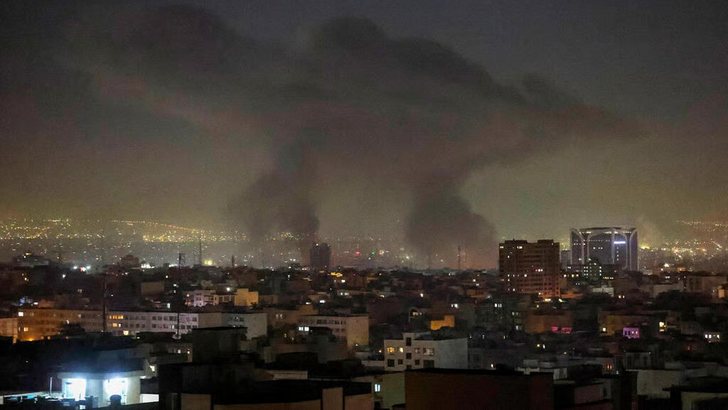
According to Admiral Cooper, the number of attacks carried out in the first 24 hours of the war against Iran was almost double the "shocking and terrifying" attacks on Iraq in 2003. So far, about 2,000 targets on Iranian territory have been hit.
About 20% of the world's oil and gas passes through the Strait of Hormuz, which connects the Persian Gulf with the Gulf of Oman. A possible blockage of this channel would have serious consequences for the global economy.
Senior Iranian general Sardar Jabari has declared that Tehran will no longer allow “a single drop of oil to leave the region.” Already, uncertainty in international markets and the escalation of the conflict between Iran, the US and Israel have caused oil prices to rise.
Experts warn that any disruption to traffic in the Strait of Hormuz would directly affect the world's largest economies, including China, India and Japan, which are among the main importers of oil passing through this strategic corridor.