"We are drowning..." - From Lisbon, Milan to Tirana, "The Guardi...
/ 2026-10-18 23:13:32Focus


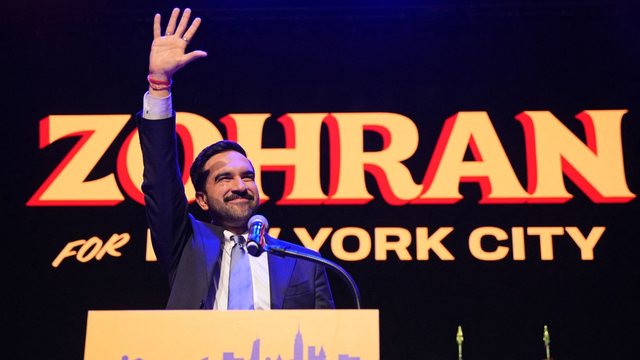
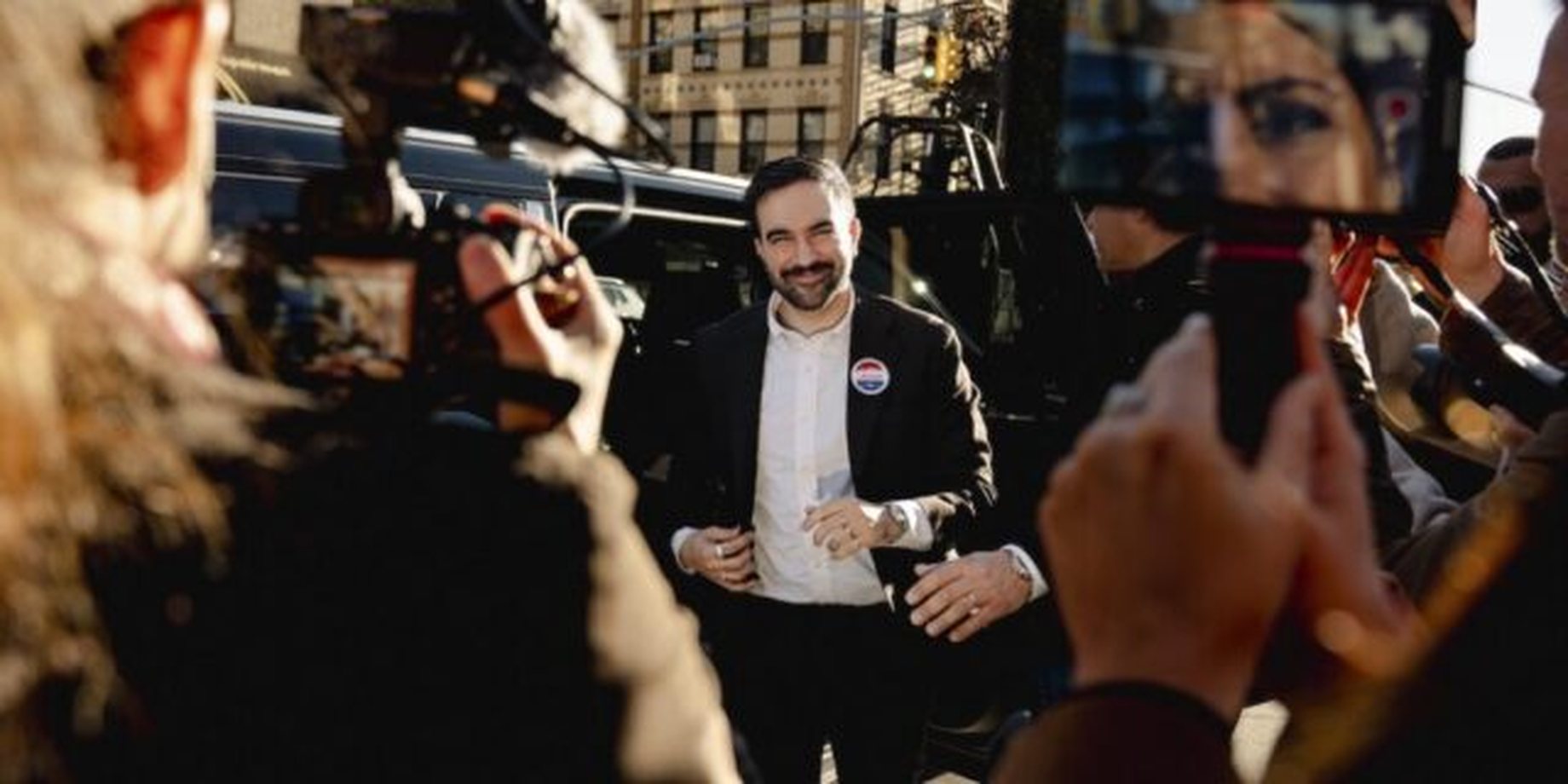
Zohran Mamdani, 34, a congressman from Queens and member of the Democratic Socialists of America, has been elected mayor of New York City in the US.
He is the first Muslim in the city's history to hold the office and one of the youngest ever. His victory, over former Gov. Andrew Cuomo, marks a political turning point for the Big Apple and the entire Democratic Party, with a clear shift toward the progressive left.
The son of Ugandan academic Mahmood Mamdani and Indian filmmaker Mira Nair, the new mayor embodies the cultural and religious diversity of a constantly evolving metropolis.
Origin and education
Born in Kampala, Uganda, on October 18, 1991, Zohran Kwame Mamdani grew up in an intellectual and multicultural environment.
But as a rising star for the Democrats, although a naturalized American citizen, he will never be able to become president of the United States of America, as the law stipulates that any candidate must have been born in the US if he intends to run for the White House.
His father, Mahmood Mamdani, is one of the most renowned African scholars of politics and colonialism, while his mother, Mira Nair, is an internationally renowned director of films such as Monsoon Wedding and The Namesake.
The family moved first to South Africa and then to New York, where Zohran arrived at the age of 7.
After graduating with a degree in African Studies from Bowdoin College in Maine, he worked in social work as a housing counselor, an experience that profoundly influenced his political outlook.
From activism to politics
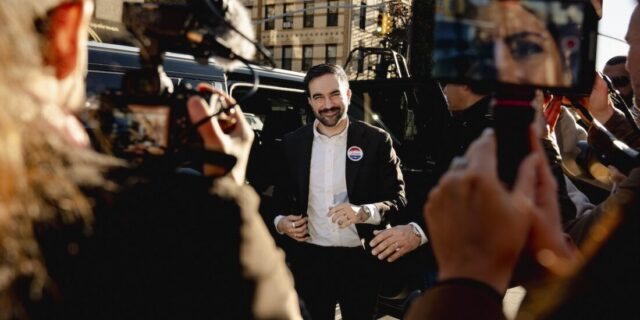
Involved in movements for tenants' rights and accessible public transportation, Mamdani stood out as an activist in one of New York's famous neighborhoods, Queens.
In 2020, he was elected to the New York State Assembly, representing the 36th District (Astoria and Long Island City).
As a member, he became known for his radical stances on issues such as public housing, social justice, and corporate taxation.
A member of the socialist wing of the Democratic Party, he described himself as "a representative of the people against the financial elite."
The campaign and the victory
His candidacy for mayor, announced in 2024, quickly attracted media attention.
In the Democratic primary, Mamdani outspent the more popular candidates thanks to a grassroots campaign, supported by youth, unions, and multiethnic communities.
In the November 4, 2025 election, he defeated Andrew Cuomo, who ran as an independent, and Republican Curtis Sliwa.
His platform proposes a comprehensive plan for public housing, free or heavily discounted transportation, an increase in the minimum wage to $30 an hour by 2030, and new taxes on corporations and high-net-worth individuals.
International media called his victory "historic," emphasizing the symbolic importance of a Muslim mayor leading the most cosmopolitan city in the United States.
An ideological and cultural profile
Zohran Mamdani is a representative of the new American urban left.
A member of the Democratic Socialists of America, he is inspired by figures such as Bernie Sanders and Alexandria Ocasio-Cortez.
His Muslim faith and diverse identity have made him a symbol of minority and millennial representation in American politics.
His career path reflects a synthesis of cosmopolitan family roots and a focus on local inequalities.
He has repeatedly stated that "a fair city is one where even those who earn less can live close to their workplace and travel without economic barriers."
The challenges that await
With his inauguration scheduled for January 1, 2026, Mamdani will inherit a city marked by deep economic inequalities, a struggling real estate market, and a strained municipal budget.
His priorities will be the construction of new public housing, transportation reform, and urban security management – issues on which he will have to find a balance between idealism and administrative realism.
Mamdani's election represents a historical turning point, but also an unprecedented political challenge: transforming a socialist vision into concrete policies, in a city that is a symbol of global capitalism.