


How Belinda Balluku is fabricating the rumor about Top Channel's...
/ 2026-10-19 16:19:00Focus


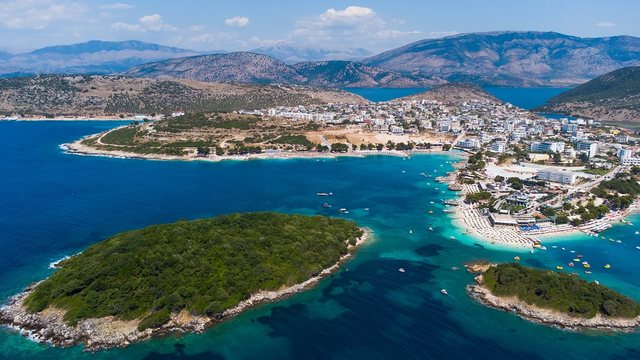
"A lifeline" is being given to the economy of Southern Europe by American tourists who flock en masse to enjoy the sun and the sea, changing the correlations of economic power on the Old Continent. Hypertourism is an opportunity, but also a threat that requires a comprehensive and multifaceted approach, analysts say. In the bars, hotels and restaurants on Lisbon's cobbled streets, business is so good that the mayor recently reduced the local income tax for residents.
With economic growth of 8.2% last year and a 20% increase in tax revenue compared to the pre-pandemic period, municipal authorities made public transport free for young and old alike. Century-old buildings are being restored, a new airport, twice the size of the existing one, is under construction, as well as a three-hour high-speed rail link to Madrid.
Lisbon's example is repeated across Southern Europe, which – thanks largely to American visitors – is experiencing an unprecedented tourism boom in countries that were symbols of economic stagnation, creating hundreds of thousands of jobs and filling government coffers.
The "success story" of the Mediterranean is rewriting the recent economic history of Europe. In the 2010s, Germany and other economies with heavy manufacturing industries helped the Old Continent emerge from its debt crisis thanks to strong exports of vehicles and goods, especially to China. Today, Italy, Spain, Greece and Portugal contribute to the bloc's annual growth.
While Germany's economy is in a difficult situation, Spain is the main economy with the fastest growth in Europe. Almost ¾ of the country's recent growth and one in four new jobs are tourism-related, while in Greece, which is gaining ground after the pandemic, 44% of all jobs are tourism-related.
The trend is part of a global readjustment after the COVID-19 lockdowns. Global travel spending grew seven times faster than the global economy over the past two years, a pattern expected to continue over the next decade. Europe, especially the south, has benefited more than other regions. Although home to only 5% of the world's population, the EU received about a third of all international tourism dollars last year, more than half a trillion dollars, compared to about $150 billion in the US, where tourism has been sluggish in recovery.
And while tourism boosts revenue, signs of discontent are emerging across the region. Thousands of locals are protesting against mass tourism and overcrowding. A frequent complaint is that the biggest beneficiaries are American companies, from Airbnb to Uber. Some economists also worry that an increase in tourism could exacerbate existing economic challenges. Like the discovery of oil, southern Europe's new focus on tourism could hamper higher-value activities by bringing capital and labor together, a phenomenon some analysts have dubbed 'beach sickness'.





