How Belinda Balluku is fabricating the rumor about Top Channel's...
/ 2026-10-19 16:19:54Focus


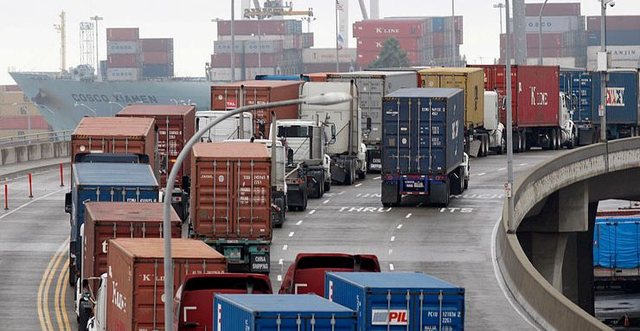
For months now, the exchange rate has been experiencing strong fluctuations with a significant drop in the main currencies and appreciation of the lek. But what are the consequences of the devaluation of the euro for exports?
Exporting businesses mainly have contracts in euros. Most of the expenses of these businesses are in Lek, and therefore when the income in Euros earned from these contracts is exchanged into Lek, they bring a lot of losses. A contract for the same value in euros, but converted to lek, is already worth less.
In addition, the high labor cost as a result of the increase in the minimum wage coupled with the production costs, have increased the losses of businesses. In order to avoid expenses from salaries, many businesses have reduced the number of their employees.
Also, some exporting businesses have declared bankruptcy or, to somehow compensate for the losses caused by the exchange rate, have significantly reduced their production for export. According to official data from the Institute of Statistics, exports of goods reached the value of 199 billion ALL in the first six months of this year, decreasing by 14.9% compared to the previous year. Meanwhile, the trade deficit increased by 17.9%, compared to the same period in 2023.
On the other hand, unlike exports, imports have benefited from the fall of the euro. Importers have increased profits due to lower commodity prices. In the first half of this year, imports reached the value of 440 billion ALL, increasing by 0.3%, compared to the previous year. Profits from imports have pushed many businesses that have closed their exporting activities to return to importing businesses. Cheaper imports also mean a reduction in prices in the Albanian market, but which have not been seen to this day.