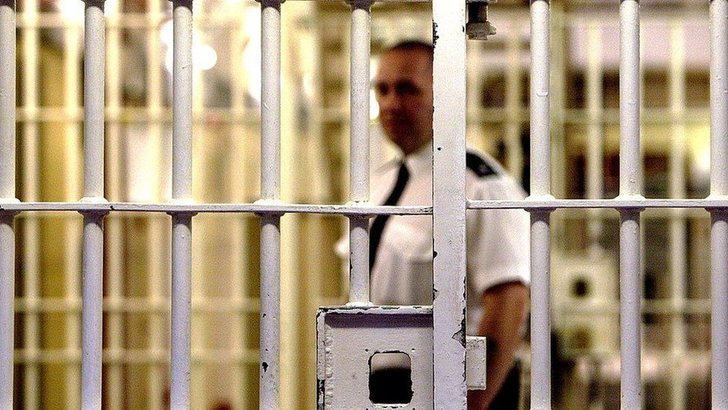
Is this police force professional and capable of handling violen...
/ 2026-10-16 18:54:07Focus


The topic of the conference that took place today in Tirana, by the Bank of Albania in cooperation with the Albanian Association of Banks was "The role of the central bank and the banking system on the road to the EU".
Present at this conference were the Governor of the Bank of Albania, Gent Sejko; The Chairman of the Albanian Association of Banks, Bledar Shella, the Chairman of the Economy and Finance Commission, Eduard Shalsi, the Minister of State and Chief Negotiator Majlinda Dhuka, the Minister of Finance, Petrit Malaj, as well as other guests from the relevant institutions.
In the speech delivered at this meeting, the Governor of the Bank of Albania, Sejko, said that the Bank of Albania is an integral part of the country's EU integration process, in 5 chapters.
Sejko said that, "the integration process also means an increasing exposure to financial flows in the form of portfolio investments. These flows serve the development of the financial market and reduce the overall costs of financing in the country. In this context, we judge that the current regulatory framework and that of the monetary policy offer a good starting point for addressing them".
Focusing on the development of the economy, Sejko stated that, "Albania of 2024 offers a completely different economic reality compared to a decade ago, when the country received the status of a candidate for membership. The volume of economic activity in the country has increased from 10 to 24 billion euros, the unemployment rate has been reduced from 17.5% to 10.7%, and the average annual income per capita has increased from 3500 to 9200 euros.
According to him, "inflation has recorded an average level of 2.5% during this period, the current account deficit has decreased from almost 11% to 2% of GDP, the foreign debt has been reduced from 70% to 44% of GDP , while public debt has decreased from 72% to 56% of GDP. In parallel with them, the banking sector has shown stability and improving financial indicators. Thus, the ratio of non-performing loans has decreased from almost 23% to 4.6%, the capital adequacy ratio has reached an average level of 18%, while the banking sector has continued to lend to the economy and display high levels of liquidity and profitability.
The conference will be organized in three sessions, where the main topics of the talks will focus on the opening of the green light and the beginning in October of the official process of negotiations for membership in the European Union, as well as the role that central banks have in the integration process and the banking sector.