Is this police force professional and capable of handling violen...
/ 2026-10-16 18:54:07Focus


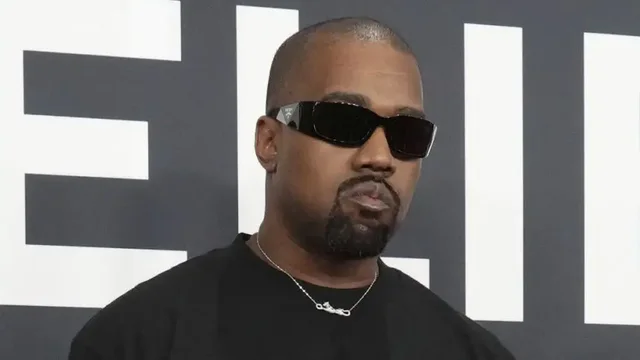
A strong decision by British authorities has put the spotlight on the famous American rapper Kanye West, who will not be allowed to travel to the United Kingdom. The refusal comes at a delicate moment, just a short time after he was included in the list of main artists to perform at the Wireless Festival, one of the biggest music events held every summer in London.
According to official information, the Home Office has confirmed to the BBC that the artist had applied to enter the country through an Electronic Travel Authorization (ETA), but his application was refused. The main reason for this decision is related to the fact that his presence in British territory is not considered to be in accordance with the public interest.
This decision does not come by chance. For several years, Kanye West, who is now also known by the name Ye – has been at the center of harsh criticism for statements that have been considered anti-Semitic, racist and even pro-Nazi. These comments have caused strong reactions not only from the public, but also from various international organizations and institutions.
The controversy intensified even more after his announcement as one of the headline artists of the Wireless Festival, prompting numerous reactions from communities and public figures in the United Kingdom.
The artist himself responded on Tuesday, expressing his willingness for dialogue. In a statement, he said he “would be grateful” to meet with members of the Jewish community in Britain, noting that he has been closely following the debates that have developed around his participation in the festival. Ye said he was open to a personal meeting “to listen” to their concerns.
On the other hand, the Board of Deputies of British Jews reacted by stating that it is willing to hold a meeting with the rapper, but set a clear condition: his withdrawal from the planned performances at the Wireless Festival.
Meanwhile, it remains unclear how this development will affect the organization of the festival and the line-up of artists, while the issue continues to generate widespread debate in public opinion and the music industry.