Peqin, a new '5D'? The Municipality Secretary creates a company ...
2026-11-19 14:17:00Focus


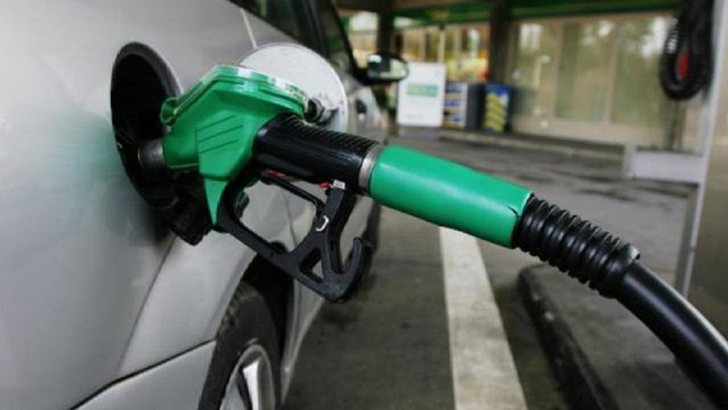
Albania and Montenegro have joined the US initiative "Trump Peace Pipelines Framework", a cooperation framework that aims to develop energy infrastructure and strengthen security of supply in Central and Eastern Europe, through the expansion of US gas exports.
The signing took place in Warsaw, within the framework of the Partnership for Transatlantic Energy Cooperation (P-TEC), where representatives of governments and the energy sector discussed strategic investments and projects for the region.
The US Ambassador to Croatia, Nicole McGraw, welcomed the inclusion of the two countries through a post on the X platform.
“Welcome aboard, Albania and Montenegro! It is a pleasure to see both countries signing the Trump Peace Pipelines framework here in Warsaw, giving a boost to American energy exports, more supply opportunities, and new investments in the region,” McGraw wrote.
The initiative was presented in April in Dubrovnik, in the presence of US Energy Secretary Chris Wright, as part of Washington's efforts to increase European liquefied natural gas (LNG) import capacities and develop new infrastructure connections between countries in the region.
For Albania, this commitment comes at a time when the country is considering expanding the use of natural gas, including the construction of an LNG terminal in Vlora and the development of new power generation capacities.
In April, Albanian authorities signed a 20-year framework agreement for the purchase of American gas, with a reported value of at least $6 billion, as well as a memorandum for the development of the Vlora power plant.
However, the implementation of these projects remains constrained by infrastructural and financial challenges. Although the Trans Adriatic Pipeline (TAP) passes through Albanian territory, the country does not yet have a functional exit point for supplying the domestic market with gas.
Meanwhile, Montenegro aims to leverage its partnership with the United States to develop gas and electricity networks, including the Adriatic-Ionian Pipeline (AIP), an important project for regional connectivity.
According to the Montenegrin Ministry of Energy and Mining, the memorandum signed in Warsaw opens up opportunities for diversifying supply sources, better connecting energy markets and attracting investments.
But the shift towards natural gas also raises questions about the compatibility of new investments with long-term decarbonization objectives.
In an analysis published in June, environmental organization Bankwatch warned that expanding gas infrastructure in the Western Balkans could increase dependence on imports and create the risk of investments losing economic value before the end of their useful life.
The organization notes that Albania and Montenegro do not yet have functional connections to international gas supply networks, so it calls for careful assessment of costs and real demand before implementing major projects.
The US administration, on the other hand, sees expanding LNG supplies as an instrument to diversify Europe's energy sources and reduce dependence on particular suppliers.
The inclusion of Albania and Montenegro in Trump's initiative marks another step in the Western Balkans' energy rapprochement with the United States.
However, the economic impact of this cooperation will be determined by the concrete projects to be implemented, the sources of financing and their ability to integrate into European energy markets.