Protests, violence, curfews: From France to Albania, why Europe'...
/ 2026-10-20 23:47:20Focus


Israeli media are reporting violent clashes between the army chief of staff and members of the security cabinet during a 10-hour meeting, where Prime Minister Benjamin Netanyahu's plan to expand the military offensive in Gaza was approved.
According to the Ynet portal, General Eyal Zamir has expressed his strong opposition to a full invasion of Gaza, which in practice would mean an occupation of the territory.
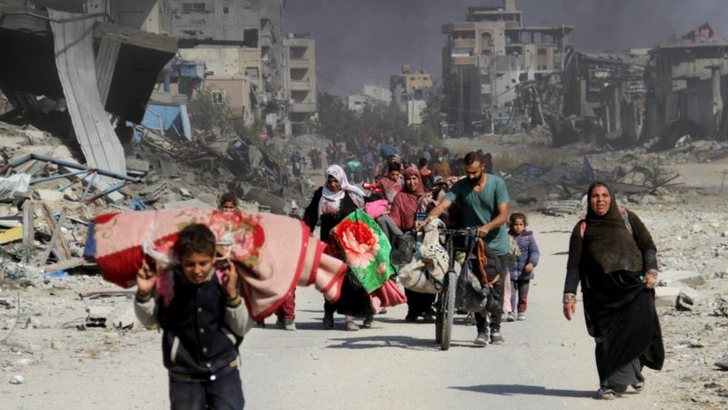
He has warned of serious consequences, including the displacement of nearly a million Palestinians living in areas expected to be hit and the risk to the lives of about 20 hostages believed to still be alive.
The general has also raised concerns about the state of the army, which is exhausted after nearly two years of war, with reservists having been deployed several times in Gaza.
It is not yet clear when the offensive, which is expected to last for months and will require the mobilization of thousands of soldiers and the forced evacuation of civilians, most of whom have already been displaced several times, will begin.
There are also fears that expanding the military operation will lead to more casualties among Palestinians.
According to the Ma'ariv newspaper, the general assessment is that "most, perhaps all, of the living hostages would lose their lives" during such an offensive, either killed by the kidnappers or by Israeli forces themselves in the fighting.
The takeover of Gaza City is expected to be the first step in Netanyahu's plan to establish full military control over the enclave. The official statement from his office did not use the word "occupation," which Ynet said was avoided for legal reasons, as it would imply responsibility for the well-being of the civilian population.
However, experts warn that this does not change the international legal status.
Under international law, an occupying force has obligations to protect the basic needs of the local population.